
How to Rent a Car in UAE – Step-by-Step Complete Guide
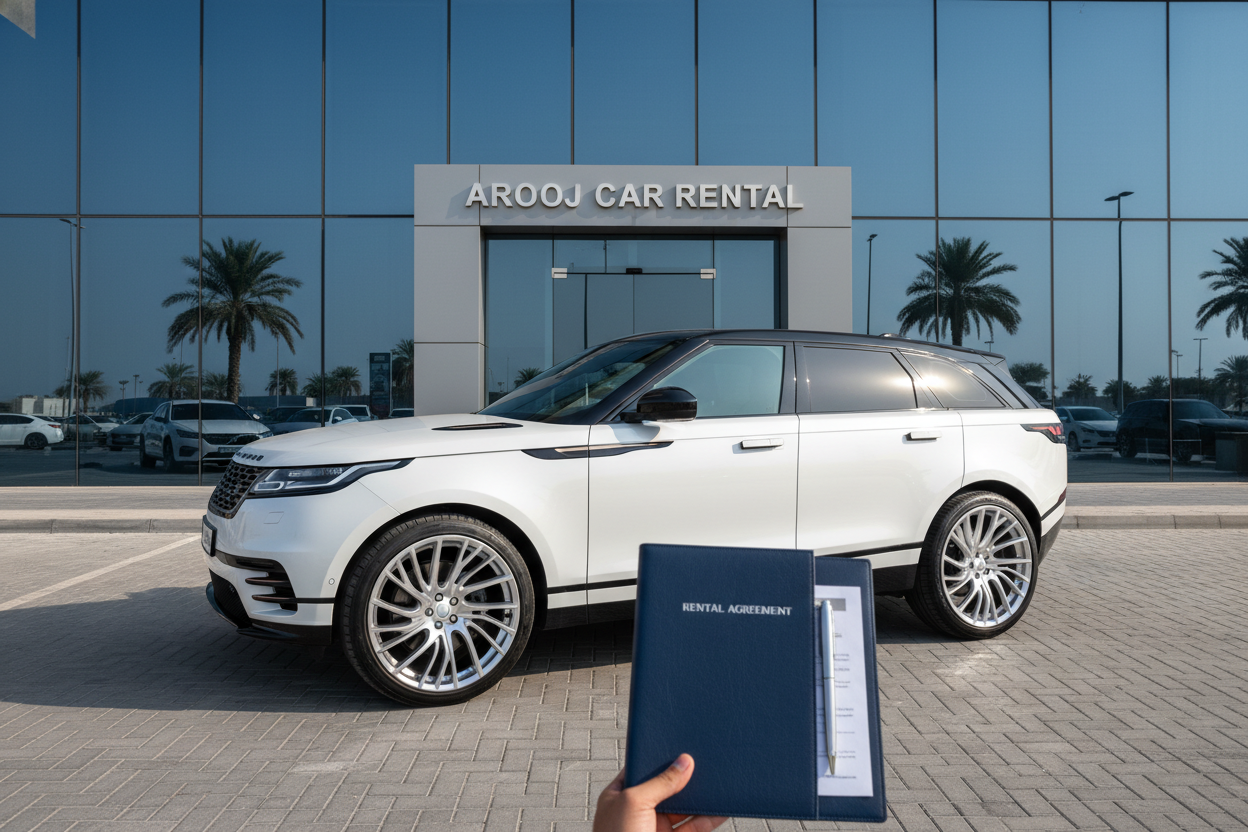
Renting a car in Dubai and the UAE involves understanding specific requirements for tourists and residents. Most rental companies require an international driving license for tourists, while residents need a UAE driving license. Essential documents include identification (passport or Emirates ID), a credit/debit card, and a refundable deposit. The typical age requirement ranges from 21 to 25, depending on the vehicle type. The rental process consists of selecting dates, choosing a car, providing documents, confirming the booking, and picking up the vehicle.
Proper car selection depends on travel needs, with economy cars for budget travel and SUVs for families. Inspecting the car for damages and ensuring the correct fuel policy is critical to avoid disputes upon return. Rental prices vary based on vehicle type and duration, with additional charges for extras. Insurance coverage is mandatory, with options for upgrades. Familiarity with traffic rules and toll systems, such as Salik, is essential. Avoiding common mistakes, like checking for existing damages, enhances the rental experience, making it a convenient option across the UAE.
How Renting a Car Works in Dubai and Across the Emirates
Renting a car in Dubai or anywhere in the UAE can feel confusing the first time. With different rules for tourists and residents, documents, rental types, and traffic systems, it is easy to feel overwhelmed. This guide explains how car rental works step by step, giving practical tips for a smooth, stress-free experience. Arooj Car Rental provides this complete guide on how to rent a car in UAE to help residents and visitors understand the process from start to finish.
Renting a car in the UAE is a convenient option for daily commuting, tourism, and business travel. With well-maintained roads and clear traffic regulations, car rental service offers flexibility and comfort across all emirates. Understanding the correct steps and requirements ensures a smooth and hassle-free rental experience.
Required Documents to Rent a Car in Dubai and UAE
Before booking, you need to know the basic requirements. Most rental companies require:
- Driving License: Tourists can use an international driving license or their home country license in English. Residents must use a UAE driving license.
- Identification: Passport for visitors, Emirates ID for residents.
- Payment Method: Credit or debit card is usually required. Some companies may accept cash, but cards are safer.
- Age Requirement: Generally, 21 or 23 years old depending on car type; luxury vehicles often require a minimum of 25. Visit the age requirement page for more details.
- Deposit: Usually AED 1,000–3,000 depending on the car. This is held temporarily and released after returning the car in good condition.
These documents are verified before vehicle handover to ensure compliance with UAE rental laws and insurance requirements. You can check Car Rental Without Deposit for options that reduce upfront cost.
International License and Visitor Rules
Tourists can drive in Dubai and the UAE using:
- International Driving Permit (IDP) + home country license in English, valid for the rental period.
- Temporary UAE license is not typically required for short stays.
Residents must use a UAE-issued driving license. Knowing these rules avoids fines and booking issues.
Step-by-Step Process to Rent a Car in Duabi and UAE
Renting a car in the UAE follows a simple and structured process designed for customer convenience:
Select Dates – Choose start and end dates for your rental.
Pick a Car Type – Sedans, SUVs, or luxury cars depending on comfort, passenger number, and travel needs.
Provide Documents – Submit your driving license, ID, and payment information.
Confirm Booking – Pay online or on arrival, depending on the rental company.
Pick Up Your Car – Collect at the airport, hotel, or rental office. Inspect the car carefully before driving.
Following this process ensures a smooth experience and avoids delays, especially during busy seasons like holidays or festivals. Arooj Car Rental ensures transparency at every stage to make the rental process smooth and efficient. You can explore Daily Car Rental and Weekly Car Rental for booking options.
Choosing the Right Car for Your Needs
Selecting the right rental car depends on travel purpose, number of passengers, and rental duration. Economy cars are ideal for city driving and budget travel, while sedans offer additional comfort for daily commuting. SUVs and crossovers are suitable for families and long-distance travel. Long-term renters often choose fuel-efficient and low-maintenance vehicles to reduce overall costs. Choosing the correct category improves comfort and value during the rental period.
Car Inspection Checklist Before Driving
Before leaving the rental office, check the car thoroughly:
- Look for scratches, dents, or damages inside and outside.
- Check tires, mirrors, lights, and windscreen wipers.
- Confirm the fuel level matches the policy (full-to-full or other).
- Test brakes, indicators, and air conditioning.
Taking these steps helps prevent disputes about damages when returning the car.
Understanding Rental Prices and Charges
Car rental prices in the UAE vary based on vehicle type, rental duration, and season. Daily rentals usually cost more per day compared to weekly or monthly plans. Additional charges may apply for extra mileage, insurance upgrades, toll gates, and traffic fines. Arooj Car Rental provides clear pricing details so customers can understand the total cost before confirming their booking.
Understanding Fuel Policies
Rental companies have different fuel rules:
- Full-to-Full: Pick up and return the car with a full tank. This is most common.
- Prepaid Fuel: Pay for a tank upfront and return empty. Often more expensive.
- Partial Fuel: Some companies allow returning partially filled cars but may charge extra.
Always confirm the policy and fill the tank as required to avoid extra charges.
Insurance Options for Rental Cars
All rental vehicles in the UAE come with basic insurance coverage as required by law. Customers may have the option to upgrade insurance coverage for additional protection. It is important to understand what the insurance includes and excludes, such as off-road use or reckless driving. Clear knowledge of insurance terms helps customers avoid unexpected expenses during the rental period.
Insurance Types Explained
Most rentals include basic insurance covering collision damage and third-party liability. Optional coverage may include:
- Full Coverage: Protects against all damages, including minor scratches.
- Theft Protection: Covers loss if the car is stolen.
- Personal Accident Insurance: Covers passengers in case of injury.
Understanding insurance reduces stress during travel and prevents unexpected expenses.
Handling Traffic Fines & Salik Tolls
Driving in the UAE comes with specific rules:
Salik Toll System: Automated toll system. Check if the rental car is equipped with a Salik tag or pay manually.
Traffic Fines: Speeding and parking fines are issued electronically. Rental companies may charge these to your card.
Highway Limits: UAE highways have speed limits of 100–140 km/h.
City Driving: Dubai city roads have clear limits, but watch for cameras and one-way streets.
Being aware of these rules keeps your trip safe and avoids unnecessary costs. You can visit Traffic Rules Tourists Must Know and Salik Toll System Explained pages for details.
Common Mistakes First-Time Renters Make
To ensure a smooth experience, avoid these mistakes:
- Not checking the car for damages before leaving.
- Ignoring fuel policies and returning with the wrong level.
- Using a card without sufficient balance for deposits.
- Not understanding insurance coverage.
- Forgetting to follow local traffic laws.
- Booking last minute during high-demand events.
Following these tips saves time and money, especially during festivals or busy holiday periods.
Returning the Rental Car in Dubai and UAE
Rental vehicles must be returned on time and in good condition. The fuel level should match the level provided at pickup unless otherwise agreed. Late returns may result in additional charges. Any traffic fines or toll charges incurred during the rental period are billed to the renter. Following return guidelines ensures a smooth completion of the rental process.
Why Renting a Car in UAE Is Easy and Convenient
The UAE offers a well regulated and customer friendly car rental environment. Clear rules, modern infrastructure, and wide vehicle availability make renting a car a practical choice. Arooj Car Rental in Dubai and UAE simplifies the process by offering flexible rental plans, clear documentation requirements, and reliable customer support across the UAE.